
"The trade war between the US and Canada is a reactionary conflict between two imperialist powers desperately seeking to secure their interests." The far left refused both sides, reporting Carney's own claim that Washington sought veto power over Canada's future trade agreements and then arguing Ottawa is rearming and courting BlackRock and Blackstone at a Toronto investment conference on September 14 and 15. It is the only camp that named the investors.
Camp by camp · Updated October 1, 2026
Trade & tariffs
How 9 of the ten camps framed it, in their own words, then everyone on the record beneath that — April 6, 2026 to September 30, 2026. Each camp section is that camp's own outlets writing. The people below are grouped by who spoke, not by camp: an outlet can quote anyone, so the outlet it ran in tells you who carried the words, never whose politics they are.
9/10 camps on the record
the record here 102 camp reads 139 quotes 45 people 11 checkable claims 2 running stories
Communist / Far-Left 7 reads · 3 outlets
Democratic Socialist 5 reads · 3 outlets
Liberal Mainstream 22 reads · 12 outlets
Center / Nonpartisan 19 reads · 3 outlets
Establishment / Center-Right 17 reads · 6 outlets
Libertarian 15 reads · 5 outlets
MAGA / Populist Right 9 reads · 6 outlets
Religious Right 3 reads · 3 outlets
Identity 5 reads · 2 outlets
Tech / AI nothing on the record
Communist / Far-Left
"The conflict between American and Canadian imperialism is a reactionary dispute between two rival bourgeoisies in which workers should not pick sides." The far left is the only camp that treated the renaming as one line inside a story about Canadian politics closing ranks, reporting that Conservative Pierre Poilievre, New Democrat Avi Lewis and the Bloc's Yves-François Blanchet all met Carney to back retaliatory tariffs. It also quoted the Globe and Mail editorial "A free Canada is worth the sacrifice" to argue that both governments are asking workers to absorb the cost.
"an unholy chorus" is the far left's description of the all-party rally behind the Canadian prime minister, and it is the only camp arguing Canadian workers should refuse the national-unity frame outright. The piece reported the concessions Carney was reportedly ready to make, including an $88-billion fighter jet purchase and first pick on critical minerals, and quoted Vance's leaked remark that "the whole point of this is to change Canada's behaviour." CounterPunch made the same argument about allies generally, writing that a partner's "military protection, trade treatment and willingness to support unrelated US operations have become bargaining chips in the same negotiation."
In Defense of Marxism Aug 27 that day's brief ›
also cited CounterPunch
"to crash the Canadian economy in order to reduce the country to a vassal state" is how the far left described the goal, and it is the only camp that files the tariffs, the Iran war and the drive to dictatorship as one process. Both WSWS pieces attacked the Canadian and American union apparatus rather than defending it, writing that "'Buy Canadian' and 'Buy American' politics subordinate workers on each side of the border to their own corporations and governments." It named a figure no other camp printed, that Ottawa's retaliation list totals C$27.6 billion.
World Socialist Web Site Aug 26 that day's brief ›
also cited World Socialist Web Site
"draping himself in the flag" is how the far left described Carney's retaliation pledge, and it is the only camp that files the tariffs and the Iran war as one crisis of the same system. WSWS printed the Wall Street Journal's "the dumbest trade war in history" line and Mike Pence's objection alongside the Business Roundtable's warning, then argued that inflation, the bond selloff and the war are interconnected. It treated both governments as nationalist managers of a single breakdown rather than as opponents.
The socialist read cast tariffs as "imperialist intimidation," arguing the Brazil levies were "nakedly political" tools to pressure a foreign court and install a Trump-aligned government, part of a "corollary to the Monroe Doctrine."
"He is threatening the American people with big taxes." CounterPunch marshals import-price data to argue foreign exporters are not absorbing the tariffs, reframing them as a domestic tax hike. It calls reporting that says Trump is "hitting" Canada misleading.
CounterPunch Jul 21 that day's brief ›
also cited World Socialist Web Site
Democratic Socialist
"Equivocating on the French language is a nonstarter in Canada." The socialist left is the only camp reporting the language dimension, including Carney's account that talks collapsed when Washington threatened French-language and Quebec cultural protections, and Quebec's effective tariff rate rising from 6.8 percent to 11 percent. Truthdig read the same 18 months as a round trip: "right back where we were in the first place."
Truthout Sep 10 that day's brief ›
also cited Truthdig
"It's so juvenile. It's so childish. It's so petty. It's also self-defeating." That is how the socialist left's biggest streamer read the Lake Ontario threat, and he is the only voice in this set who tied it directly to the Michigan Senate race, saying the tariffs are "massively damaging to Michigan's economy" while Democrats argue about something else. He also spent a long stretch on Quebec's language protections, which he said Trump had demanded Canada weaken.
"oligarchic trade grift" is the label the socialist left's own framing adopts, and it is the only camp that put a Canadian left party leader and a U.S. trade lawyer in the same segment. Truthout printed New Democratic Party leader Avi Lewis arguing that Carney's government "still favor international investors and the fossil fuel industry rather than truly 'Trump-proofing' the economy," and it foregrounded workers on both sides of the border rather than governments.
Truthout Aug 25 that day's brief ›
"a tax imposed by President Trump's chaotic trade policy" is the socialist left's category, and it is the camp that put the American consumer at the center. Truthout quoted economist Dean Baker warning that "Trump is going to be hitting American consumers with a new round of tax hikes just over two months before the election," and gave space to Unifor president Lana Payne's line that "we can't trade good jobs for a bad deal." It is also the only outlet that ran a strategic-studies professor's judgment that the US "is not acting in the US national interest."
Truthout Aug 23 that day's brief ›
Truthdig made the counter-intuitive argument that Iran is winning economically: elevated global oil prices mean Iran earns more per barrel despite volume restrictions; US-lifted sanctions on Iranian tankers have restored Iran's direct access to Chinese and Indian buyers; and Iran's new toll-booth system generates ongoing revenue from the transit corridor it now controls. The framing: the war is a windfall for the Iranian state even if devastating for Iranian civilians.
Truthdig Apr 6 that day's brief ›
Liberal Mainstream
"those voters are among the hardest hit by tariff-driven manufacturing costs," the Times wrote, treating the plant as midterm strategy. The Guardian said it gave Republicans "a jobs message to take to voters" and noted a Marist poll with Rep. Ashley Hinson trailing Democrat Josh Turek by eight points. CBS wrote "It's not clear why the steel plant is in Iowa, instead of Minnesota." On Pod Save America, Alex Wagner mocked a Republican Senate candidate's grocery-store ad about the war.
New York Times Sep 29 that day's brief ›
also cited The GuardianCBS NewsNBC NewsYouTube: Pod Save America
CNN argued Xi arrived with more leverage than before, so "style over substance may be enough for him." NPR said the summit brought "little in the way of grand bargains," and both outlets noted the White House ban on CNN, MS NOW and Politico kept the ceremonies off network TV.
CNN Sep 26 that day's brief ›
"How do you get U.S. President Donald Trump to cut tariffs?" is Politico's opening, answered by noting that Ireland made his Doonbeg resort the host of its premier tournament. Brian Tyler Cohen said the rationale was "just some people at a golf tournament bugged him about it," and MSNBC led on U.K. leaders from the DUP to Kemi Badenoch rejecting his unification remarks.
Politico Sep 14 that day's brief ›
also cited YouTube: Brian Tyler CohenMSNBCUSA TodayThe Guardian
"There may be no true winner in a U.S.-Canada trade war." The mainstream left ran the story as a consumer explainer, listing which products carry which rate and reporting that American homebuilders who source Canadian materials face higher costs. It is the only camp that walked through the mechanics by which a tariffed input can be taxed twice, quoting an ING analyst on the resulting loss of efficiency, and the only one to test Carney's August hint at cutting energy exports, which its sources called unlikely.
USA Today Sep 9 that day's brief ›
also cited The Guardian
The fight is a test of "whether a smaller U.S. ally can withstand Trump's economic pressure," the mainstream left wrote, and it is the only camp that treated Canada as a template other governments are watching. NPR reported that Trump's pressure has so far strengthened Carney rather than forced concessions, and quoted the prime minister's condition for resuming talks: that the Americans "stop doing memes, stop throwing shade, stop trying to be tough." Its most-viewed voice folded the renaming into the trade war, with Brian Tyler Cohen arguing that "you might not have lower prices, you might not have cheaper gas, you might not have affordable health care, you might be contending with sky high utility bills, there might be no accountability for Epstein's co-conspirators, but I think we can all agree that renaming things after America is a pretty effective substitute."
NPR Sep 8 that day's brief ›
also cited NBC NewsCBS NewsNBC NewsYouTube: Brian Tyler Cohen
"from flowers and honey to hockey equipment and cameras" is how the mainstream left inventoried the cost, and this camp priced the fight for consumers rather than for governments. USA Today walked through who actually pays a tariff and reported homebuilders' exposure on plywood and lumber; NPR gave its segment to a Michigan member of Congress who said Canadian nurses keep Detroit hospitals staffed. On video, David Pakman argued the strategy only works on the compliant: "Trump makes a lot of threats, but the threats only work if everybody is terrified to say we're not going to bow down."
USA Today Aug 27 that day's brief ›
also cited NPRYouTube: David Pakman Show
"the politics of fighting Trump are so much better than cutting a deal" is the read on the show, and this camp covered the fight as Canadian electoral math rather than as trade policy. Both Pod Save America segments walked through why Carney gains from refusing, listing the auto industry in Ontario and French-language protections in Quebec as the regional pieces he would otherwise have to sell. Adam Mockler called the renaming threat "juvenile symbolic BS."
YouTube: Pod Save America Aug 26 that day's brief ›
also cited YouTube: Pod Save America
"ruptured a once-close and durable alliance" is the mainstream left's category for the day, and all five of this camp's pieces measure the tariffs by what they will cost households. CBS said the rupture "will soon have people on both sides of the border paying up," MSNBC led with Trump's post that Canada "wants the benefits of being a State, without being one!!!," and its Iowa reporting put diesel at $5.37 a gallon against $3.50 a year ago. USA Today covered the same week from the plant floor, printing Unifor president Lana Payne's line that "We are their biggest customer."
CBS News Aug 24 that day's brief ›
14 more reads from this camp, in the daily briefs.
Center / Nonpartisan
"Trump has vowed to campaign in 35 of the most competitive battleground races," PBS wrote, pairing the plant with the rally schedule. It carried Trump crediting his 50 percent steel tariffs and his remarks on Taiwan and a UK terror case from the same appearance.
PBS NewsHour Sep 29 that day's brief ›
The BBC called the visit "all pomp and little obvious progress on pressing issues," and a second piece said Beijing wanted a truce of at least a year but got two months. PBS used the same frame, "heavy on pageantry, light on policy announcements," and its commentators questioned Trump's rare planeside greeting.
BBC News Sep 26 that day's brief ›
also cited BBC NewsBBC NewsPBS NewsHourPBS NewsHour
The wire tier went product by product and put the unusual instrument on the record, reporting that import bans are "extremely unusual as a artifact of trade policy" and that no comparable absolute ban has been used in the modern era. AP is the only camp that reported which products came off the tariff list and why, naming Collins's appeal on cement and paper and printing the Canadian whisky sales figures.
Associated Press Sep 10 that day's brief ›
also cited PBS NewsHour
"The rupture has upended one of the world's closest relationships." The wire tier gave the most space of any camp to Carney's own account of why the talks collapsed, printing his claim that Washington sought limits on French-language and cultural protections, influence over future Canadian trade deals, and terms that would weaken the auto, steel and forestry sectors. PBS is also the only outlet that reported Canada is exploring a deeper arrangement with the European Union, and the BBC alone put a number on the bans, quoting a trade expert's early estimate of "a modest impact" affecting about $1 billion of goods.
PBS NewsHour Sep 9 that day's brief ›
also cited PBS NewsHourPBS NewsHourPBS NewsHourBBC NewsYouTube: PBS NewsHour
"It is unclear how Trump intends to block Bombardier from doing business in the US" is the wire tier's flat note under the president's post, and the BBC alone printed the company's American footprint back at him: a Kansas factory building special-mission military planes, sites in ten more states, and about half its fleet operated by US-based customers. The camp also went to the shop floor, filing a separate piece on the Montreal deli forced to swap out its American soda, and AP measured the damage in tourists rather than tariffs.
BBC News Sep 8 that day's brief ›
also cited BBC NewsAssociated PressThe Hill
"could not cause massive blackouts with the flick of a switch" is the wire tier's correction to the week's loudest threat, and AP is the only outlet that ran the electricity claim through the numbers, quoting a Tufts energy professor saying "we would see it in the market, we would see it in the prices, but we would not be bereft of electricity." The BBC covered the same standoff as a test of leverage and reported that if Trump "thought the Canadians would cave in the face of American pressure," then "he may have miscalculated," printing Vice-President JD Vance's leaked line describing Carney as "a very sweet guy."
Associated Press Aug 27 that day's brief ›
also cited BBC NewsPBS NewsHour
"Despite the bravado coming from both sides of the border, though, analysts suspect the longtime allies will eventually strike a deal to end a conflict neither really wants." The wire tier is the only camp that measured the tariffs against the size of the relationship, reporting that they touch about 5 percent of Canada's exports to the US and would cut Canadian growth next year from a forecast 1.6 percent to 1.4 percent. PBS gave Canada's trade minister nineteen minutes to answer for the collapse and pressed him on whether the rupture is permanent.
Associated Press Aug 26 that day's brief ›
also cited BBC NewsPBS NewsHourPBS NewsHourPBS NewsHourPBS NewsHour
"threatening Republican efforts to address voters' economic concerns" is how the wire tier introduced the escalation, and it is the only camp that mapped the fight onto the Senate map seat by seat. AP reported that four of the six states the Cook Political Report rates as toss-ups border Canada, and it printed Susan Collins, JD Vance and the Democratic Senatorial Campaign Committee in the same piece. The wire also catalogued the goods, from natural honey to tortoise shell to Christmas ornaments, that a Depression-era statute now taxes at 50%.
11 more reads from this camp, in the daily briefs.
Establishment / Center-Right
The Bulwark predicted a ban "would likely backfire economically, diplomatically, and politically," and a second piece reported that no Republican senator it spoke with regarded it as viable. The Wall Street Journal's report on the oil industry's lobbying against the ban rounds out the camp.
The Bulwark Sep 25 that day's brief ›
also cited The BulwarkWall Street Journal
"nothing short of insane" is The Bulwark's verdict on handing Trump more tariff powers, even as it called the bill "unambiguously pro-Ukraine." It credited House Democrats for opposing it.
The Bulwark Sep 17 that day's brief ›
The Examiner wrote that "Trump jokingly complained at the ceremony that everyone had been" pressing him, and noted the rate had already come down from 15 percent. It ran the announcement short and without criticism.
The populist right filed the day as "the latest escalation of the trade war between the two countries" and gave the most space of any camp to both governments' official cases, printing the White House claim that Canada "has been ripping off the United States for decades" alongside Carney's rebuttal that the American merchandise deficit "only exists because the U.S. buys so much of its energy from us." It is the only camp that quoted Carney's energy figures at length: 99 percent of US natural gas imports, 85 percent of electricity imports and 60 percent of crude imports.
The populist right reported the compliance as routine and moved straight to the trade grievance, noting that the order binds only the US government while private mapping companies were expected to follow as they did with the Gulf of America. Three of its four pieces reprinted the executive order's own justification, that the US Coast Guard supplies 9 of the 11 icebreaking vessels on the Great Lakes and has spent nearly $4 billion on the freshwater ecosystem in the last decade. The Daily Wire alone turned the story on the critics, quoting NewsBusters editor Tim Graham that "Liberals want to rename all kinds of things to satisfy their urge for wokeness."
Washington Examiner Aug 31 that day's brief ›
also cited Washington ExaminerThe Daily WireOne America News NetworkThe Daily Wire
"it turned Mark Carney into a national hero" is the institutional right's verdict, and this camp treated the fight as self-inflicted damage to American power rather than as an economic dispute. The Dispatch made an argument no one else made, that "Poor Canada has been geopolitically upgraded from afterthought to distraction" because of the stalled war with Iran. The Bulwark went further than the mainstream left, arguing the leaders of the free world are now elsewhere.
The Bulwark Aug 26 that day's brief ›
also cited The BulwarkThe BulwarkThe DispatchNational Review
"the bottomless vulgarity and mendacity of Trumpism" is the institutional right's verdict, and this camp answered the trade argument with a history lesson. The Bulwark rebutted Transportation Secretary Sean Duffy's claim that Canada "doesn't have a military" by citing 44,000 Canadian war deaths in World War II, Juno Beach and 158 Canadians killed in Afghanistan. Across three pieces the camp praised Carney's conduct and none of them defended the tariffs on the merits.
The Bulwark Aug 25 that day's brief ›
also cited The BulwarkThe Bulwark
"bleeding into the midterm elections as Democrats use the economic volatility to woo voters" is how the populist right's most candid piece described the day, and this camp is split against itself. The Examiner quoted Michigan GOP operative Jason Roe calling the timing "problematic for business and farming" while another strategist argued Trump voters remain "very amenable to the idea that there needs to be more trade barriers." Breitbart and OAN-style coverage ran Trump's post at face value, and Fox led with Vance telling a Maine audience that Canada treats Chinese goods "more fairly than they do the goods that come from the people of Maine."
9 more reads from this camp, in the daily briefs.
Libertarian
"The only people who think a ban on diesel exports makes sense are Republicans in farm states who are standing for election in a few weeks," Reason wrote, tracing farmers' pain to the collapse of farm exports to China during the trade war.
Reason argued that allies have realized "Trump’s trade agenda has always been more about aggrandizement and power than sound economic policy." It walked through the tariff history and the Norway and Switzerland models for partial membership.
"Seemingly no longer content to merely hike taxes on imports from Canada, President Donald Trump has now taken the next logical step in his war against free trade." The libertarian right treated the bans as both economically destructive and unlawful, arguing the Section 338 authority has been superseded by later statutes and that the expansion strengthens the major-questions case against it. Reason is the only camp that reminded readers the fentanyl pretext that began the trade war never matched the trade data.
Reason Magazine Sep 10 that day's brief ›
also cited Reason Magazine
"Canada has been growing more prosperous over the years, but it's losing ground" is the libertarian answer to the White House's premise, and this is the only camp that tested the accusation against data rather than politics. Reason worked through Fraser Institute figures showing the per-person GDP gap with the United States more than doubled to CA$23,757 since 1999, and concluded that Canada's problem is a government that takes half its economy, not a scheme against American workers.
The only libertarian piece on the story stayed on the ledger, listing the Canadian rates by sector and the C$7.5 billion aid package, and treating the Lake Ontario threat as retaliation rather than as a joke. It quoted Champagne's line that Canada "did not choose this conflict" and left the argument there.
Antiwar.com Aug 26 that day's brief ›
"economically illiterate and legally dubious" is the libertarian read, and this camp keeps returning to the statute. Reason reported that Section 338 has never been used before, that the Supreme Court struck down Trump's earlier tariff authority in February, and that the Canadian measures Trump cites as discrimination "originated as retaliation for earlier, unjustified American tariffs on Canadian products."
Reason Aug 25 that day's brief ›
also cited Reason.com
"an illegal usurpation of congressional authority by the president" is the libertarian read, and this camp argued the statute itself is dead law. Reason's Volokh Conspiracy post says Section 338 was superseded by legislation enacted in 1962 and 1974 and has not been used to impose tariffs since at least the 1940s. It predicted legal challenges and said they deserve to prevail.
Reason.com Aug 24 that day's brief ›
"an illegal usurpation of congressional authority by the president" is the libertarian read, and this camp is the only one that made the legal instrument the story. Reason traced Section 338 to the Smoot-Hawley Act of 1930, wrote that it "gravely exacerbated the Great Depression," and argued courts should refuse to stay injunctions because the Federal Circuit's earlier stay "enabled the Trump administration to collect some $166 billion in illegal tariff payments." It closed by naming the beneficiaries: "America's adversaries, such as China, Russia, and Iran."
Reason.com Aug 23 that day's brief ›
7 more reads from this camp, in the daily briefs.
MAGA / Populist Right
"evidence that Trump's economic agenda is bringing heavy manufacturing back to the U.S." was Fox's frame. Fox also reported the project's bankruptcy history and that federal data showed iron and steel prices up 10.4 percent in a year of tariffs.
Fox News Sep 29 that day's brief ›
"one of the most significant cooldowns in the trade war" is Fox's description of the tariff cuts. A second Fox piece framed the week around the Greenland security pact that bars Chinese military presence there. Breitbart led on coal purchases and ran Peter Schweizer saying Trump "has the upper hand" because Xi is purging his generals.
Fox News Sep 27 that day's brief ›
also cited Fox NewsBreitbart NewsBreitbart News
The Daily Wire wrote that the two leaders "already have two more face-to-face meetings on the calendar" and quoted a Chinese scholar calling the pace unprecedented. Fox and OAN led with Xi praising the visit's "perfection" and Trump's "Friendship, Strength, and Success" post. The White House fact sheet claimed $30 billion in tariff concessions each way, Chinese coal purchases and a joint "super intelligence" dialogue; on The Blaze, Glenn Beck argued the visit was about Iran and gas prices.
The Daily Wire Sep 26 that day's brief ›
also cited Fox NewsOne America News NetworkThe White HouseThe Blaze
"Democrats begrudgingly hand Trump victory on tariffs" is Fox's frame, scoring the vote as a win for Trump's tariff agenda. OAN's headline instead used McCaul's phrase about "crippling the Russian war machine."
Fox News Sep 17 that day's brief ›
also cited One America News Network
OAN wrote that Trump's announcement was "almost completely drowned out by the screaming crowd," and a second OAN piece framed him as doubling down on Irish unification. The Daily Wire opened on "The crowd roared with laughter" and compared the move to his U.K. whisky decision. All three populist pieces cast the day as a crowd-pleasing win.
One America News Network Sep 14 that day's brief ›
also cited One America News NetworkThe Daily Wire
"Over the past year and a half, only two countries have chosen to retaliate against President Trump's tariffs rather than negotiate a deal with the United States: The People's Republic of China and Canada." The administration's own document grouped Canada with China and cast the bans as a response to discrimination against American commerce, listing new investments in Pennsylvania, Indiana and South Carolina as evidence the tariff program is working. The Washington Examiner reproduced that framing and added that the tariff-list revision was "housekeeping."
The White House Sep 9 that day's brief ›
also cited Washington Examiner
The institutional right read the collapse through November, framing its discussion around "the president's and Congress's role in shaping world history in light of electoral concerns before the 2026 midterms." National Review's headline on the same fight calls the trade war pointless, the sharpest phrase any conservative outlet applied to it this week.
The American Mind Aug 27 that day's brief ›
also cited National Review
"strategic tariffs meant to address trade imbalances and encourage American manufacturing" is how the populist right described the policy, and all three OAN pieces led with Trump's and Greer's accounts of Canadian bad faith rather than with prices. OAN alone printed Greer's list of the concessions Washington says it offered on steel, aluminum, autos and lumber. The camp is not united: Breitbart gave a full run to Mike Pence's judgment that "American businesses and American consumers pay American tariffs."
One America News Network Aug 23 that day's brief ›
also cited One America News NetworkOne America News NetworkBreitbart News
1 more read from this camp, in the daily briefs.
Religious Right
CBN's short report said the visit drew criticism "because of some Republicans saying the warm optics send the wrong message," alongside Democrats asking for a tougher stance. It was the only camp to frame the dissent as coming from both parties.
The paleoconservative right ran the announcement short and printed both governments' stated reasons without adjudicating them, quoting a senior White House official saying the restrictions "keep a level playing field, deter retaliation, and of course protect American production" and Greer calling Canada's move "senseless retaliation." It is the shortest treatment in any camp.
"Massive tariffs are taking effect between the U.S. and Canada as the North American neighbors are now on the verge of a trade war." The evangelical broadcaster reported the Canadian argument straight, that higher prices "will hurt U.S. auto workers," and it is the only camp that connected the tariffs to the Senate map in border states without editorializing on either.
CBN News Aug 26 that day's brief ›
Identity
"will impact Moscow’s biggest customers, China and India" is Al Jazeera's frame, the only outlet to center the buyers and quote India's and China's responses.
Al Jazeera Sep 17 that day's brief ›
"US importers and consumers absorb 96 percent of the tariff burden," the Arab network reported, citing the Kiel Institute for the World Economy, and it is the only camp that put a number on who actually pays. It also warned that Americans could soon see higher prices on 550 consumer goods from Canada and noted that Canada is the largest buyer of US-manufactured cars.
Al Jazeera Sep 8 that day's brief ›
"there's no logic to this. It's just a whim" is how the show framed the tariffs, and it is the only outlet that led with the tourism side, asking what Canadians refusing to travel means for Las Vegas and for Kentucky's brown liquor industry. Roland Martin gave a trade expert the segment rather than a political consultant.
"how a trade war could drive up prices and put jobs at risk" is how the Arab press framed its explainer, and it is the only outlet that posed the question as a ledger with two columns. Al Jazeera's segment covered the suspension of talks and the dollar-for-dollar pledge without adjudicating either government's account. This single item is the whole of the camp's coverage today.
Al Jazeera Aug 24 that day's brief ›
This camp was the only one that printed the polling: 48 percent of Canadians told the Angus Reid Institute they hold an unfavourable view of Americans against 45 percent positive, and 69 percent told Nanos they would not buy US alcohol even if the provincial bans were lifted. It also quoted a business professor arguing the Keystone reference was aimed at Trump's ego rather than at oil transport, and asked openly whether Friday brings a deal or "another Groundhog Day moment."
Al Jazeera Aug 19 that day's brief ›
Nothing on the record
One camp has published no framing we could verify on this issue. Absence is part of the record, so it is printed here rather than left out.
Tech / AIThe stories behind it
Claims on the books
Open CBS News Sep 29
“Once it's up and running in 2030, the plant is expected to produce 7.5 million or more tons of steel per year.”
Open Trump Sep 14
“On behalf of the United States of America, I am going to take the tariffs off of Irish whiskey!”
Open The American Conservative Sep 10
“The ban, which will take effect on September 29”
Borne out White House Sep 9
“The import bans will take effect on September 29, 2026”
Open PBS NewsHour Aug 26
“Starting September 8, Canada will impose or raise tariffs ranging between 15 and 50 percent, affecting $27 billion worth of imports, and that will hit over 700 U.S. products, including some key U.S. imports.”
Open World Socialist Web Site Aug 24
“The Canadian tariffs, which have yet to be announced, will be imposed from September 8.”
Open Mark Carney Aug 22
“Canada will match those tariffs dollar for dollar to protect our workers and businesses,”
Contradicted Donald Trump Aug 19
“I have paused the 50% Tariffs against Canada, that were scheduled to kick in tomorrow morning for a three day period, based on the fact that Canada and the U.S.A., subject to the finalization of documents, have a DEAL!”
Disputed the memorandum of understanding (MOU) Jun 21
“The traffic of commercial vessels will immediately start”
Borne out the memorandum of understanding (MOU) Jun 21
“The United States of America undertakes that immediately upon the signing of this MOU... U.S. Department of Treasury will issue waivers for the export of Iranian crude oil, petroleum products, and derivatives, and all associated services, including banking transactions, insurances, transportation, etc.”
Borne out Memorandum of Understanding Jun 18
“Iran will make arrangements using its best efforts for the safe passage of commercial vessels with no charge for 60 days”
On the record
Grouped by who said it. The outlet named under each quote is who carried the words.
Mark Carney Canadian Prime Minister 29 on this issue
“Sovereignty goes beyond being able to feed, fuel and defend ourselves. It now requires secure access to AI, semiconductors, critical minerals, payment systems, clean energy technologies, vaccines and space-based communications.”
Sep 18 via World Socialist Web Site
“We do not pursue zero sum deals”
Sep 18 via BBC News
“no one can control our open markets, impair our sovereignty, threaten our territorial integrity, or undermine our freedoms, our democracies, our rule of law”
Sep 18 via Reason Magazine
Donald Trump US President 27 on this issue
“Our steel industry is roaring back to life. Everyone is building their plants here because they don't want to pay tariffs,”
on his 50% steel tariffs driving a new Iowa steel plant and investment
Sep 29 via PBS NewsHour
“If it's a good intention, that's fine. If it's a bad intention, we'll put very heavy tariffs on Europe.”
on Trump threatening heavy tariffs on Europe over its Canada associate membership offer
Sep 18 via CBS News
“I think it’s laughable, the whole thing with Canada. Canada has been a terrible trade partner”
on Trump dismissing Canada's EU associate membership plan and its trade record
Sep 17 via Washington Examiner
Ben Norton 7 on this issue
“Why is Trump meeting with President Xi, after constantly demonizing China, waging a trade war, and scapegoating it? Because Trump's trade war and tariffs backfired, and US corporations desperately want access to the massive Chinese market. The White House invited the following US corporate executives to join the dinner with Trump and Xi in Washington: Microsoft's Satya Nadella Nvidia’s Jensen Huang OpenAI’s Sam Altman Google’s Sundar Pichai Tesla and SpaceX’s Elon Musk Citigroup’s Jane Fraser Amazon’s Jeff Bezos Apple’s Tim Cook Dell’s Michael Dell These oligarchs are the US government's real constituents. Source: https:// cnbc.com/2026/09/22/her es-who-we-know-is-going-to-the-trump-xi-dinner-so-far.html …”
Sep 23 on @BenjaminNorton
“This says everything: Germany's multimillionaire Chancellor Merz (the former head of the German arm of BlackRock) constantly complains about "productivity". He is telling workers to work more and restricting sick leave. Germany accuses China of supposedly engaging in "unfair" competition. So what are German companies doing? Are they investing in R&D, experimenting with new technologies, and opening more factories to better compete with China? No, they're closing down factories, because crazy German policy has made energy insanely expensive (by shutting down carbon-free nuclear power plants, boycotting cheap Russian gas, and importing expensive LNG from the US). Meanwhile, the same German companies that complain about China's so-called "overcapacity" and that are begging the government for protection are... spending billions buying back their own stock, to further enrich wealthy shareholders. If you truly want to be more productive, it should be the corporate executives and rich shareholders that take the haircut and tighten their belts. But they always insist that the burden should be put on workers.”
Sep 2 on @BenjaminNorton
“What's ironic about this bad-faith US propaganda (which is aimed at undermining China's economy) is that the same argument -- that their currency is intentionally undervalued to boost exports -- could also be used to criticize the US allies in South Korea, Japan, India, and Taiwan province. In fact, their currencies are even more undervalued than the Chinese mainland's yuan, according to the Big Mac index that is maintained by the neoliberal spokesmen of billionaire oligarchs at The Economist. The other important point to make here is that it's actually not just that East Asian currencies are undervalued, but that the US dollar is chronically *overvalued*, as a product of the financialization of the US economy and the enormous bubbles in the stock market and real estate, which have de facto backing from the government, and which encourage wealthy foreigners to hold their savings in USD assets.”
on US claims that China undervalues its currency to boost exports
Aug 30 on @BenjaminNorton
Ian Bremmer 7 on this issue
“due congrats on uniting french and english canada, mr. president. truly a historic achievement.”
Aug 29 on @ianbremmer
“76% of canadians agree with govt decision to cut off trade negotiations with the united states (angus reid).”
on Canadian public support for halting trade talks with the US
Aug 26 on @ianbremmer
“a lot of democratic and republican governors will take strong exception. 19 us states trade more with ontario than they do with any foreign country (excepting canada, of course).”
Aug 26 on @ianbremmer
Jamieson Greer U.S. Trade Representative 7 on this issue
“we've said enough”
Aug 28 via USA Today
“upended the careful balance reached in the past days”
Aug 24 via MSNBC
“offering significant tariff reductions on steel, aluminum, autos, and lumber.”
Aug 24 via MSNBC
David Frum 5 on this issue
“"The notion that tariffs have resurrected U.S. steel jobs and production is a fantasy."”
Sep 30 on @davidfrum
“More Trump economic aggression against Canada”
Sep 29 on @davidfrum
“The sundering of North American formerly integrated trade by Trump administration economic aggression hurts Americans, Canadians, and Mexicans alike”
Sep 6 on @davidfrum
Thomas Massie U.S. Representative, R-Ky. 5 on this issue
“This is insane. By what metric do we measure success of agriculture in the United States? I can tell you this ain’t it. Cattlemen going out of business and consumers can’t afford American beef. The problem is the Ag Secretary and Trump are captured by the foreign beef cartel.”
on Massie blaming the Ag Secretary and Trump for beef import policy hurting cattlemen
Sep 23 on @RepThomasMassie
“Trump faked y’all out yesterday. He didn’t implement Country of Origin Labeling for Beef. He signed an EO to commission a study that will report back after the election and after we’ve imported 300,000 tons of foreign beef. I’m the only R who’s actually voted to keep MCOOL.”
on Trump's executive order ordering a study instead of mandatory beef origin labeling
Sep 6 on @RepThomasMassie
“The man behind Trump today was @FarmBureau lobbyist Zippy Duvall who OPPOSES mandatory country of origin labeling, wants to MANDATE RFID tags for cattle, defends the CORRUPT check-off program that takes money from farmers, & SUPPORTS beef regulations that block small processors.”
on Farm Bureau lobbyist Zippy Duvall's stance on cattle labeling and regulation
Sep 6 on @RepThomasMassie
Bernie Moreno Republican Senator from Ohio 4 on this issue
“So, if you're a company out there, anywhere in the world, you want to sell your products in America, you either make it here in the United States, or you pay a fee to enter our market”
on funding Trump's $5,000 dividend through tariffs instead of taxpayer money
Sep 11 via Fox News
“China’s auto industry was not built to compete, it was built to destroy American manufacturing, gut the middle class, and undermine our national security,”
on a proposed ban on Chinese-made cars in the US market
Jul 24 via The Daily Wire
“For decades, D.C. globalists propped up Chinese businesses — now it’s time for Congress to stop this cancer before it spreads through the American auto market.”
on Congress acting against Chinese automakers entering the US market
Jul 24 via The Daily Wire
Doug Ford Premier of Ontario 3 on this issue
“everything is on the table”
Aug 27 via Associated Press
“You won't get a grain of sand out of Ontario.”
Aug 25 via PBS NewsHour
“As we fight to protect Canadian sovereignty and economic security, everything needs to be on the table. Ontario is ready to do its part,”
Aug 24 via World Socialist Web Site
John Boyd founder and president of the National Association of Black Farmers 3 on this issue
“It’s the wrong position to take for America to roll out the carpet for China when they really haven’t put anything in place”
on Trump's lavish welcome for Xi despite China falling short on farm purchases
Sep 25 via TheGrio
“President Trump is giving up more and more leverage and more and more ground on negotiations because he’s giving everything away, and we’re really not getting anything concrete in return”
on China buying only $3.9 billion of a pledged $17 billion in farm goods
Sep 25 via TheGrio
“But we're the guys, the first in line that are paying for this administration's mistakes.”
on farmers absorbing diesel costs from tariffs and the Iran war
Sep 25 via PBS NewsHour
Marco Rubio US Secretary of State 3 on this issue
“Let there be no confusion about why: President Lula and his government have not negotiated with the U.S. in good faith,”
Jul 18 via Breitbart
“His economic policies are bad for Americans and bad for Brazilians. For the past year, Lula has put his own ego ahead of making a deal for the welfare of the Brazilian people, and these tariffs are the price for that,”
on new 25 percent US tariffs on Brazil over Lula's trade policies
Jul 17 via Breitbart News
“You can call it a toll, you can call it a fee, whatever you want to call it. It’s a game of semantics,”
Jun 29 via CNN
Hakeem Jeffries House Minority Leader 2 on this issue
“Why in the world would this Congress or the People’s House give this president unfettered authority to visit more tariffs on the world that will have an adverse economic impact on the American people? I can’t do it,”
on opposing the Russia sanctions bill's grant of unchecked tariff power to Trump
Sep 17 via MSNBC
“What this legislation will do is give Donald Trump, perhaps, unfettered authority to unleash tariffs on the American people,”
Sep 17 via The Guardian
Hasan Piker leftist Twitch streamer 2 on this issue
“you can't really sanction China without crippling your own economy. We know this already because Donald Trump tried it with the tariffs”
on Iran sanctions compared to Trump's China tariffs and their economic cost
Aug 25 on HasanAbi
“This is money molestation. It doesn't make sense. It's the one thing that you're not supposed to do”
on tariffs imposed on Canada over wildfire smoke
Jul 21 on HasanAbi
Lori Wallach director of Rethink Trade at the American Economic Liberties Project 2 on this issue
“he's going to 50% tariffs, because I don't know. He doesn't like the prime minister's socks. It is a very personal thing”
on the 50% Canada tariff hike stemming from Trump's personal grievances
Aug 26 via Roland S. Martin
“it's the abusiveness more than almost the tariffs. It's calling the prime minister of our neighboring country governor so and so as part of his taunt about Canada should be the 51st state, or it is threatening to rename geographical locations to insult other countries.”
on Trump's insults toward Canada including the Lake Ontario renaming threat
Aug 26 via Roland S. Martin
Books on Trade & tariffs
Read across the aisle
Paid links. If you buy a book through these links, Bookshop.org pays us a small commission and sends a share of the sale to independent bookstores.
-
Argues from the left
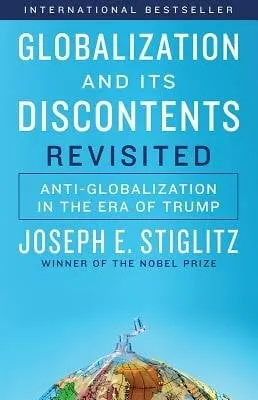
Globalization and Its Discontents Revisited (opens Bookshop.org)
Joseph E. Stiglitz · 2017
Nobel economist Joseph Stiglitz argues that globalization was managed for the benefit of corporations and wealthy countries, and that its losers deserve real policy protection.
-
Background
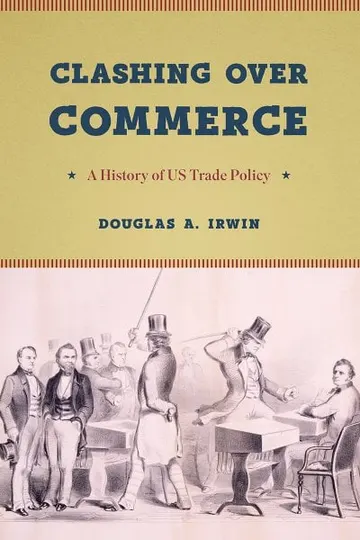
Clashing over Commerce (opens Bookshop.org)
Douglas A. Irwin · 2017
Dartmouth economist Douglas Irwin covers US trade policy from colonial times to the present, showing how tariffs served revenue, restriction and reciprocity in different eras.
-
Background
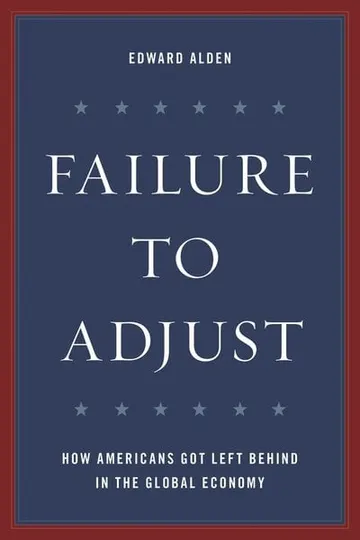
Failure to Adjust (opens Bookshop.org)
Edward Alden · 2017
Council on Foreign Relations fellow Edward Alden examines why American governments of both parties did little to help workers and regions hurt by import competition.
-
Argues from the right
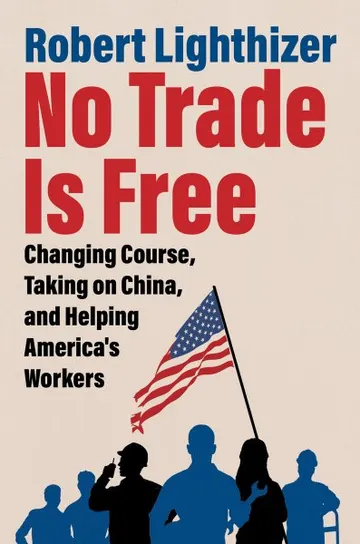
No Trade Is Free (opens Bookshop.org)
Robert Lighthizer · 2023
Robert Lighthizer, Trump's US Trade Representative, argues that decades of free trade hollowed out American manufacturing and that tariffs and tougher deals are the remedy.
About this file
Everything here was shipped by the daily brief and verified before it appeared: each quote was checked character for character against the source it is linked to. This file separates two things a reader should never have to untangle: how each camp framed the issue, taken from that camp's own outlets, and who is on the record, grouped by the person who spoke. An outlet can quote anyone, so a quote it printed is the speaker's, not the camp's. Checkable claims are tracked to resolution on the claim ledger, and the day-by-day story files live in the story tracker.
One issue, on the record
See who actually took a position.
The daily brief records the arguments around an issue in each actor’s own verified words. Free.
Free to start. No spin. No yelling.
$5/month, cancel anytime. Secure on Stripe, and nothing is ever paywalled.
One-time, secure on Stripe. No account.