
The WSWS called the announcement a step in "the escalation of war plans targeting nuclear-armed Russia and China," timing it to Xi Jinping's upcoming White House visit. It listed abandoned arms-control treaties and Golden Dome's projected costs.
Camp by camp · Updated October 1, 2026
National security & surveillance
How 10 of the ten camps framed it, in their own words, then everyone on the record beneath that — March 25, 2026 to October 1, 2026. Each camp section is that camp's own outlets writing. The people below are grouped by who spoke, not by camp: an outlet can quote anyone, so the outlet it ran in tells you who carried the words, never whose politics they are.
10/10 camps on the record
the record here 135 camp reads 296 quotes 77 people 10 checkable claims 1 running story
Communist / Far-Left 8 reads · 3 outlets
Democratic Socialist 10 reads · 6 outlets
Liberal Mainstream 22 reads · 10 outlets
Center / Nonpartisan 20 reads · 5 outlets
Establishment / Center-Right 21 reads · 10 outlets
Libertarian 14 reads · 7 outlets
MAGA / Populist Right 19 reads · 7 outlets
Religious Right 6 reads · 3 outlets
Identity 7 reads · 4 outlets
Tech / AI 8 reads · 5 outlets
Communist / Far-Left
"Twenty-five years later, the emergency never ended—it became the government." The far left filed the anniversary as a domestic story about permanent executive power rather than a foreign one, listing the Patriot Act, secret courts, watchlists and ICE as a single continuous apparatus, and Counterfire put the Brown University estimate of 4.5 to 4.7 million total post-9/11 deaths in its second paragraph. All four of its pieces declined to treat the hijackers as the subject: CounterPunch devoted a full essay to bin Laden's stated grievances, and the WSWS spent its anniversary column on the New York Times' aluminum tubes reporting rather than on the attack.
CounterPunch Sep 12 that day's brief ›
also cited CounterPunchCounterfireWorld Socialist Web SiteWorld Socialist Web Site
The WSWS called the official account "a sustained and systematic cover-up" and argued that the attacks became the pretext for wars in at least 22 countries under the 2001 authorization. It is the only camp that returned to the claim of a deliberate security stand-down, citing hijackers who lived with an FBI informant in San Diego.
"That failure has triggered a rapidly escalating crisis in the US military." The far left tied the personnel churn directly to the war's logistics, reporting that Hegseth blocked the promotion of seven Army officers to major general this week and that a classified assessment finding only about one destroyer in four ready to deploy was leaked to the press.
"an aircraft carrier with billions worth of military technology cannot provide a drop of clean drinking water to its sailors." The far left ignored the palace politics entirely and wrote only about the crew, printing a sailor's text about a five-week wait to see the only psychiatrist and reporting a 1,000 percent rise in conscientious-objector inquiries. It is the only camp that costed the war at $37.5 billion and connected the Lincoln directly to the blockade of the Strait of Hormuz.
"In effect, they were assigned a military function: to serve as unwitting decoys, to draw enemy fire, to be the target in the president's place." The far left is the only camp that treated the episode as evidence the war is failing rather than as a security story, arguing the escape "shows the bogus character of Trump's claim that Iran has been destroyed militarily." It also declined to accept the threat at face value, writing that nothing disclosed "can be taken at face value" and suggesting the claim may have originated with the Netanyahu government.
WSWS reads the war as imperial escalation "driven to escalate because a retreat would mean a crippling loss of global prestige," reporting the Journal's account of White House discussion of seizing Kharg Island with ground troops and Seymour Hersh's claim Trump asked whether low-yield nuclear weapons were "doable." CounterPunch frames the diplomacy itself as a weapon: "diplomacy without peace," talks used as "another deadline, another test of obedience."
World Socialist Web Site Jul 20 that day's brief ›
also cited CounterPunch
WSWS cast the deployment as imperialist escalation aimed at seizing control of Iran's energy sector, specifically Kharg Island and its oil export infrastructure. Agency is assigned entirely to U.S. and Israeli state actors pursuing capitalist resource extraction under military cover. The headline quotation functions as an accusation of bad faith built into the story's title. WSWS also linked the war to a broader anti-socialist political project in the UK, arguing that anti-fascist movements are being used to channel working-class energy away from opposing the conflict.
World Socialist Web Site Mar 25 that day's brief ›
also cited World Socialist Web Site
Democratic Socialist
Truthdig said America was commemorating the day with "a combination of reverence, Islamophobia and jingoism," and led on Mamdani's release of 170,000 pages of city air-quality records from Ground Zero. Truthout ran three pieces: the 25th renewal of the emergency declaration, an interview tying the war on terror to Gaza and ICE, and a report on right-wing attacks on Mamdani's attendance.
Truthdig Sep 11 that day's brief ›
also cited TruthoutTruthoutTruthoutYouTube: The Majority Report w/ Sam Seder
"a network of interconnected surveillance systems that go far beyond the gas station CCTV of yore" is the socialist left's category, and it is the only camp reporting the utility as the vendor. Truthout followed a Birmingham organizer counting cameras on power poles and quoted the company's own description of Alabama Power as its "longest-standing reseller," then printed the power company's denial that it can access the data.
Truthout Sep 1 that day's brief ›
"she had been working at the White House without a security clearance" is the socialist left's focus, and this camp connected the Harp story to the succession fight for press secretary. The show reported that Scott Jennings is angling to replace Karoline Leavitt and argued that "this is the administration that has been banding about the idea of forcing government officials to sign NDAs," which is why it can claim a senior aide is a private figure.
YouTube: The Majority Report w/ Sam Seder Aug 21 that day's brief ›
"The American military is in some respects the last competent organization in this country" is Hasan Piker's framing, and he is the only voice on video who predicted the leaks will come from the top rather than the bottom. He argued that senior officers will start talking to reporters "regardless of how loyal they might have been in the past to Donald Trump," and tied the shortages to "an over reliance on private uh private profiteers, private defense contractors."
The filing describes "wild conspiracy allegations" that "are born from the fantasies of political retribution that animate the Trump Administration," and the socialist left is the camp that anchored the story to the timeline, four days after Pretti was killed. It printed Sunrise Movement director Aru Shiney-Ajay's line that "While federal agents repeatedly broke the law, ordinary people exercised their First Amendment rights to protect their neighbors."
Truthout Aug 14 that day's brief ›
Drained reserves. Cenk Uygur argued that the U.S. has depleted Strategic Petroleum Reserves and missile defense interceptors to the point where America cannot sustain a long war, making the diplomatic pose increasingly desperate. The MAGA-Religious Right split is genuine: evangelical hawks want Iran destroyed; Trump wants a deal and a win. The split between Trump personally and his team is now openly discussed on the right.
Flip her. The Intercept frames the story as political surveillance: the FBI treating an anti-ICE protest as an intelligence target and using an arrest as a lever to recruit informants. The comparison to McCarthy-era tactics is made explicitly. The frame connects the cellist's case to a broader argument that the state is treating immigration dissent as a national security matter rather than a political one.
The Intercept Jun 21 that day's brief ›
The surveillance question may be more consequential than the charges themselves. How did prosecutors access Signal messages that were supposed to be end-to-end encrypted? A device seizure, a cooperating witness, or an undisclosed capability, each has different implications for every organization in the country that uses encrypted communications.
The Intercept Jun 18 that day's brief ›
2 more reads from this camp, in the daily briefs.
Liberal Mainstream
"Mr. Hegseth has never been weaker," the Times wrote, reading the speech as a tough-guy image covering eroding Republican support. The Guardian called it "his latest extraordinary attack on diversity," and NPR noted many firings were of Black or female officers let go without explanation. CBS set the purge beside the Iran war.
New York Times Oct 1 that day's brief ›
also cited The GuardianThe GuardianNPRCBS NewsCNN
"suggesting the vigilance of local residents may have played a key role in alerting authorities," CNN wrote, setting that UK reporting directly beside Trump's claim that the men were watched for a long time. MSNBC stressed the base's legal status, "U.K.-owned and U.S.-operated," and noted Iran's claim that Fairford bombers went beyond limited strikes. USA Today led on Trump and carried Reuters' report that "An Iranian-linked motive is considered the most likely."
CNN Sep 28 that day's brief ›
NPR explained that "The secretive court allows for a lower standard of proof to remove a person from American soil," and gave the lawyers' prediction that it will be struck down. MSNBC framed the same filings as the administration having "secured a victory in its first-ever case," a difference in emphasis inside the lens.
NPR Sep 13 that day's brief ›
also cited MSNBC
"The president suggested Dan Driscoll could stay at least through the midterms, people familiar with the matter said." The mainstream left had the one detail no other camp carried, that the resignation was delivered to Trump in person and that Trump tried to slow it down, which reframes the exit as a decision Driscoll made against the president's wishes rather than a firing.
"months of turmoil at the defense department" is the mainstream left's frame, and all six pieces in this camp built the story around an anonymous source's line that Driscoll raised concerns about "Hegseth's blocking those efforts specifically by firing the generals who were responsible." MSNBC alone reported the countervailing detail, that a source said Driscoll had always planned a 23-month tenure.
"Flock Safety is virtually everywhere," the mainstream left wrote, and it is the only camp that documented the coalition itself, reporting that Pennsylvania Republican Rep. Scott Perry and Michigan Democratic Senate candidate Abdul El-Sayed are running nearly identical messaging against the company. It also reported that of roughly 6,400 agencies tied into Flock's network, DeFlock estimates just 900 run a public transparency portal.
MSNBC Aug 29 that day's brief ›
"human printer." The mainstream left made access the story rather than romance, reporting that Harp carries a portable printer and battery pack, logs into Trump's Truth Social account and shapes what reaches him. MS NOW added the reporting that gives the day its news value, that Harp declined a routine clearance for more than a year until Trump intervened, and printed the White House denial that anything was irregular.
The Guardian Aug 20 that day's brief ›
also cited MSNBC
"Hegseth's cartoonish celebration of war" is the mainstream left's phrase, and this camp filed the story as a planning failure rather than a hardship story. Its outlets reported the carrier swap, printed Blumenthal's list of shipboard conditions, and led with the families rather than the Pentagon. Four of the six MSNBC items on the ship name Hegseth in the headline or opening paragraph.
MSNBC Aug 16 that day's brief ›
also cited MSNBCMSNBCMSNBCThe GuardianThe Guardian
14 more reads from this camp, in the daily briefs.
Center / Nonpartisan
"In a fiery speech to top brass" is how the BBC opened, then gave space to civil rights groups who accuse Hegseth of blocking promotions of Black and female officers. PBS's AP copy noted the speech "is not a usual fixture among Pentagon leaders" and set it against a seven-month war with Iran.
BBC News Oct 1 that day's brief ›
also cited PBS NewsHourPBS NewsHour
"The BBC understands the operation was not intelligence led," the broadcaster reported in both of its pieces. It built the story around the resident whose 999 call brought armed police, and printed her complaint that "Someone really dropped the ball on this." Both BBC pieces put the base's use against Iran in the second paragraph, not the lead.
BBC News Sep 28 that day's brief ›
also cited BBC News
BBC wrote that "Space has been a militarised domain since the start of the space age," and quoted an analyst calling China's warning hypocritical. Reuters led on Beijing's response and Chinese state media's charge of "space hegemony."
BBC News Sep 16 that day's brief ›
also cited BBC NewsReutersPBS NewsHour
The BBC called it "the first-ever use of a secretive court" and noted Haji Zada was never charged with a crime. It printed the public defenders' due process objection at length after the attorney general's statement.
BBC News Sep 13 that day's brief ›
"His exit comes as the U.S. military has returned to launching airstrikes against Iran after a lull in hostilities during the more than six-month-old war, leaving the nation's largest fighting force without top civilian or uniformed leaders who have been confirmed by the Senate." The wire tier reported what Driscoll did not say as carefully as what he did, printing his praise for Hegseth alongside the reporting that the two had clashed, and giving Republicans who defended Hegseth the same space as Republicans who did not.
Associated Press Sep 3 that day's brief ›
also cited PBS NewsHour
The wire tier described Driscoll as the official who "pushed the Army to embrace drones and transform how it buys weapons," and it is the only camp that laid out the full list of removed officers, from the chairman of the Joint Chiefs to the Coast Guard commandant to multiple judge advocates general. It gave the longest platform to former Air Force Secretary Frank Kendall, who said the firings have "created a climate of fear throughout the entire institution."
PBS NewsHour Sep 2 that day's brief ›
also cited PBS NewsHourPBS NewsHour
"months of conflict between him and Defence Secretary Pete Hegseth" is the wire tier's account, and it is the only camp that counted the wider purge: more than a dozen senior officers fired since Hegseth entered the Pentagon, including the chief of naval operations and the Air Force vice-chief. The BBC is also the only outlet to note Driscoll simultaneously held the acting directorship of the Bureau of Alcohol, Tobacco, Firearms and Explosives.
BBC News Sep 1 that day's brief ›
"The expansion has led to privacy concerns and protests." The wire tier filed the story as a verification explainer, walking through how the system works and how many cameras exist before addressing the objections, and it is the only outlet that treated the count itself as the news.
BBC News Sep 1 that day's brief ›
12 more reads from this camp, in the daily briefs.
Establishment / Center-Right
"Hyper-Macho Freak Show" was the Bulwark's verdict, and its hosts focused on his fixation on testosterone and universities while Iran and China remain threats. A second Bulwark segment worried about civilian-military relations. The Wall Street Journal's news report stuck to the drone command.
The Bulwark Oct 1 that day's brief ›
also cited The BulwarkWall Street Journal
"five men were arrested in England as they were preparing to attack RAF Fairford," the Dispatch's Mike Nelson wrote, stating the attack plan as fact rather than as a suspicion. He credited "the quick reaction of British counterterrorism police" and asked in his headline whether Iran's war is reaching Western soil. The Washington Examiner ran a shorter report stressing that the base "hosts U.S. heavy bombers."
The Dispatch Sep 28 that day's brief ›
also cited Washington Examiner
"the Hegseth DOD takes prevarication and pressure to a new level" is the institutional right's verdict, and it is the only camp that put the firings inside the wider personnel record, counting more than 80 generals and admirals fired or blocked and noting that about 60 percent of those removed for non-performance reasons were Black or female. It is also the only camp reporting that the Pentagon put conservative influencers on the payroll without disclosure, and it drew the comparison to Hegseth's own Fox News commentary on civilian casualties.
"The Army is currently operating without any Senate-confirmed civilian or military leaders at the top." The institutional right treated the vacancy as a readiness emergency and turned its fire on Congress as much as on the Pentagon, quoting Speaker Mike Johnson saying of the Defense Department, "I have to trust they're doing the right thing. . . . I'm literally not qualified to address that," and arguing that a Congress that disclaims war powers is the enabling condition.
The Bulwark Sep 3 that day's brief ›
also cited The Bulwark
The institutional right read the departure through the classified orders book, reporting "months of munitions expenditure, extended deployments, deferred maintenance" behind the commanders' objections, and it is the only camp that explained what a non-concurrence actually is: a commander saying he will execute the order and recommend against it.
The Bulwark Sep 2 that day's brief ›
also cited The Bulwark
"the ouster of numerous senior Army officers" is the institutional right's framing, which puts the cause on personnel rather than policy. The Journal is the outlet that broke the resignation and it stated the disagreement was over "the direction of the service," without the anonymous-source characterizations the rest of the field used.
"the second top military secretary in months to exit during the Iran war" is how the populist right sized it, and it is the only camp that reported Hegseth is weighing Pentagon press chief Sean Parnell as the replacement, and the only one to recall that Hegseth pressed Driscoll to remove the Army's public affairs chief in February. Fox stressed a detail the rest of the field skipped: the resignation is pending and had not been accepted by the White House.
Washington Examiner Sep 1 that day's brief ›
also cited Fox NewsThe Daily Wire
"how unpopular the vehicle tracking technology has become in races across the country" is the populist right's framing, and it is the only camp treating the cameras primarily as an election issue rather than a civil liberties one. It also reported the awkward detail that Garrity did not appear to know what the cameras were when first asked on a radio program, and that she and Shapiro now hold the same position.
13 more reads from this camp, in the daily briefs.
Libertarian
"We still believe in the false promise of trading freedom for safety," Reason's subhead read, and the piece counted the Patriot Act, the TSA and a quarter century of spending. Reason also ran Michael McConnell on the 25-year emergency. The Free Press split from Reason, publishing a warning that Congress is removing counterterrorism tools and David Petraeus's defense of the Iraq surge.
Reason Magazine Sep 11 that day's brief ›
also cited Reason MagazineThe Free PressThe Free Press
"Driscoll was trying to preserve it as a meritocracy while Hegseth purged or sidelined senior officers without explanation, instead favoring political allies." The libertarian outlet located the dispute in a single mechanism, the promotion process, and reported the administration's own justification, that the purges are meant to push wokeness out of the military, before writing that in practice it looks like something else.
"the Pentagon lost one of its few remaining grown-ups." The libertarian right cast Driscoll as a check on the defense secretary rather than an ally of the president, quoting an administration official saying Driscoll "was trying to keep the front office from meddling in the merit-based promotion process." Reason filed the same story alongside the firing of the Stars and Stripes editor.
The Free Press Sep 2 that day's brief ›
also cited Reason.com
"those bureaucrats will certainly abuse those tools" is the libertarian read, and it is the only camp that catalogued the individual abuse cases by name and jurisdiction, then extended the argument forward to automated speeding tickets, per-mile travel taxes and lockdown enforcement. Reason's longer piece traced the technology to its origins and is the only article to interview an early ALPR entrepreneur about how the industry began.
Mises Institute Sep 1 that day's brief ›
also cited Reason.com
"Its many misuses and abuses are scandalous" is the libertarian right's verdict on the cameras, and it is the only camp that split the two backlashes on principle rather than sentiment: "There's a world of difference between the government tracking citizens in public and landowners developing their private property." Reason welcomed the Flock revolt as a belated constitutional conversation while calling the data center opposition a moral panic in which "people's misplaced concerns about data centers' overhyped environmental impacts" are producing eminent domain seizures and moratoriums. It also reported the political mechanics plainly: "the politicians are lagging indicators of public opinion."
Reason Aug 29 that day's brief ›
also cited Reason.com
, "Some of the most significant reports about the shortage of advanced munitions didn't come from media reports but from analyses published by the think tank the Center for International Studies." The libertarians made the simplest point no other camp made: the numbers Trump calls treasonous leaks were assembled from public budget documents. Their second piece was the only one to print the Iranian parliament speaker's mockery of the negotiations as "theater diplomacy on loop."
Antiwar.com Aug 7 that day's brief ›
also cited Antiwar.com
Antiwar.com sharpens the hypocrisy, juxtaposing Trump's February line that Iran doesn't "need" enrichment "with so much oil" against a deal for Saudi Arabia, which "has more proven oil reserves than Iran."
Antiwar.com Jul 23 that day's brief ›
"It is only on those rare occasions that a president takes steps to correct his mistake that Congress finds its voice." Ron Paul, writing for Mises, takes the opposite frame from ABC: Congress was silent before the war and during it, and only spoke up when Trump tried to end it. The piece is unusual on the right in arguing that the Schumer-led Democratic broadside against the MoU is more dangerous than Trump's reckless start to the war.
6 more reads from this camp, in the daily briefs.
MAGA / Populist Right
"a modern, self-sustaining military fortress" was Fox's lead, using Hegseth's preferred title, Secretary of War. Fox covered the base competition as its own story and did not mention the slur or the generals.
Fox News Oct 1 that day's brief ›
"Counter-terrorism police are investigating whether Iran is behind a suspected bomb plot," OAN opened, and it reported that officers "found explosives in three vans," a detail police had not confirmed in the other coverage. OAN headlined Trump's praise. The Daily Wire relayed a New York Post report that the suspects "were stripped down after officers suspected they might be wearing suicide vests" and reminded readers of Iran's August threat to hit Europe.
One America News Network Sep 28 that day's brief ›
also cited The Daily Wire
Fox called it "a rare public acknowledgment of capabilities the Pentagon has largely kept secret" and quoted Meink's point that China and Russia have long built such weapons. It stressed speed and surprise as the strategic gain.
Fox News Sep 16 that day's brief ›
"we are no safer than we were on Sept. 10, 2001." The populist right treated the anniversary as unfinished business and named the enemy as both foreign and domestic, with The Federalist writing that "we are at war with ourselves" and that only one president since has enforced immigration law. Breitbart and OAN led on the continuity Trump and Hegseth asserted between 2001 and Iran; The Blaze and Fox put Saudi Arabia at the center, and Fox is the only outlet in this camp to report that the hijack warnings reached both Clinton and Bush.
The Federalist Sep 12 that day's brief ›
also cited Breitbart NewsOne America News NetworkThe BlazeFox NewsThe Daily Wire
The populist right ran nothing on the court ruling and split one Republican congressman's interview into two pieces, headlining the reassurance in one and the criticism in the other. Rep. Pat Harrigan told C-SPAN that a shakeup "when we're actively engaged in a conflict overseas" is concerning and that the Army could operate "without confirmed leadership for a long time," while also saying the coverage is "a little bit overblown in the media" and that the average service secretary lasts 22 months.
Breitbart News Sep 6 that day's brief ›
also cited Breitbart News
The cameras "spy from seemingly every corner of the United States, with some even hiding in traffic cones and barrels," the populist right wrote, and this camp produced both the sharpest anti-surveillance copy and the strongest defense of data centers. Fox reported Abbott's funding pause and printed Flock's own statement that it supports "strong privacy, transparency, and accountability guardrails," while the Daily Wire tracked Republicans turning against data centers and quoted Texas Agriculture Commissioner Sid Miller calling Abbott's audit "all smoke and mirrors." Fox and Breitbart also devoted separate pieces to X's claim that Chinese accounts are amplifying the anti-data center argument.
The Blaze Aug 29 that day's brief ›
also cited Fox NewsThe Daily WireFox NewsBreitbart News
"It turns out Swalwell has more to lose than just his job and political dreams" is the populist right's read, and this camp is the one that folded the misconduct probe into the older Chinese-spy file. The Blaze and Fox both connected the seizure to the newly declassified FBI documents about Christine Fang, with Fox reporting that Swalwell told agents he had "physical relations" with her. On the election, the Examiner told the story as an AIPAC defeat rather than a progressive victory, writing that "the organization also scored wins in Missouri."
The Blaze Aug 21 that day's brief ›
also cited Fox NewsFox NewsWashington ExaminerBreitbart News
"greatly compounded on Tuesday by a troubling admission." The populist right is split against itself. The Blaze and the Daily Wire piled on, with the Blaze collecting condemnations from Heritage's Kevin Roberts, a South Carolina state senator and Nikki Haley, while the Daily Wire added her 50 million population error and quoted Norman saying the Senate is not a place to get training on the job. Breitbart went the other way, giving Graham a Fox platform to reframe the moment, where she said she "was just honest" and that few voters could find Taiwan on a map.
The Blaze Aug 20 that day's brief ›
also cited The Daily WireBreitbart News
11 more reads from this camp, in the daily briefs.
Religious Right
"Authorities are investigating a link between the Fairford arrests and Iran as one possibility," CBN's AP copy said, keeping Iran as one hypothesis among several. It added that Iran-linked proxies in Britain had been behind sabotage attempts, "many of them targeting the Jewish community."
CBN News Sep 28 that day's brief ›
CBN's hosts turned the news toward end-times reflection, reading Revelation 12 on war in heaven while saying they did not know what the passage predicts. They urged viewers to check reality against the Holy Spirit.
CBN led with a petition of about 109,000 signatures asking that Mamdani be kept away, and headlined his handing a pen to a city lawyer who once represented an al-Qaida detainee. It also ran survivor testimonies framed around faith. The American Conservative wrote that for Americans born after the attacks, constant surveillance and security mandates "are not unprecedented; they are normal."
CBN News Sep 11 that day's brief ›
also cited CBN NewsThe American ConservativeThe Christian Post
The paleoconservative right covered the vacancy chain rather than the personality clash, reporting the Navy nomination as a straight news item on the same day it discussed Driscoll's resignation alongside Vance's speech to Jewish Republicans and whether the Iran war is becoming a forever war. It is the only camp that connected the Pentagon churn to the question of the war's duration rather than to 2028.
The American Conservative Sep 3 that day's brief ›
also cited The American Conservative
"The Trump administration has failed to deliver on this promise." The paleoconservative right measured the resignation against the administration's own National Defense Strategy, which promised to prioritize rather than act everywhere, and it is the only camp that argued the readiness crisis extends beyond Iran to a new fourth theater in Latin America.
The American Conservative Sep 2 that day's brief ›
also cited The American Conservative
The anti-populist right relays the split verdict, quoting a former Israeli official that the deal gives the Saudis "the keys for the car and the driver's license," while noting the counter-argument that it is "a win for the United States over Russia and China."
Identity
"a new technology-focused warfare division co-led by Elon Musk" is how Al Jazeera described Project Meridian, which other outlets reported as a study group. Its short video framed the cuts as part of an anti-woke overhaul.
Al Jazeera Oct 1 that day's brief ›
The Spanish-language press led not on the resignation but on the blocked promotions, reporting that at least six officers were struck from the two-star list and connecting several of them to officers Hegseth had already removed. It is the only outlet here that framed the story as a promotions story first and a resignation story second.
La Opinión Sep 2 that day's brief ›
"the latest senior official to leave the Pentagon under Hegseth." The Arab press was the only outlet to print the Reuters source line that Hegseth "saw Driscoll as a threat within the bureaucracy" and that his ties to Vance made him hard to remove. It also foregrounded Driscoll's record of pushing the Army toward cheaper weapons and chastising large weapons makers.
Al Jazeera Sep 1 that day's brief ›
"Unlike Democrats, members of Trump's Republican Party have largely not responded to the reports," this camp wrote, and it is the only outlet that counted the letters: three separate congressional appeals in a week, one signed by 22 members. It quoted Rep. Pat Ryan's line that the long deployments "have become a pattern in the Administration's handling of its war against Iran," and printed Adm. Cooper's rebuttal in full.
Al Jazeera Aug 19 that day's brief ›
"They were scrambling to head off what they thought was a credible, imminent threat" is the source line the Jewish press led with, and it is the only outlet that consulted an aerospace analyst on the weapon itself, reporting that a heat-seeking shoulder-fired missile "can kind of come out of nowhere" because it emits no detectable radio waves and naming the Iranian SA-67 and Russian 9K333 Verba.
The Algemeiner Aug 13 that day's brief ›
The Black press filed the story through the line of succession, noting that Rubio and Bessent's presence on the other aircraft "maintained separation within the presidential line of succession," and gave the most space of any camp to public reaction, printing readers' responses alongside the reporting.
"repeatedly threatened to attack civilian infrastructure in Iran, including power and water desalination plants" is the line no American outlet ran, and Al Jazeera is the only outlet to set the attacks on US water systems beside American threats against Iranian ones. It reports Trump's accusation flatly, notes he provided no further evidence or clarification, and observes that local water plants are more likely than other infrastructure to have out-of-date cybersecurity.
Al Jazeera Aug 2 that day's brief ›
Tech / AI
TechCrunch reported the military "has for the first time acknowledged" weapons in orbit and quoted the Air Force citing Russian and Chinese testing since 2007.
TechCrunch Sep 16 that day's brief ›
The accountability press did the arithmetic nobody else did, showing "how pervasive Flock's surveillance network has become" by obtaining the sharing lists for a single suburb of 67,000 people served by about 120 officers and finding its data flows to more than 2,000 agencies, up 42 percent in a year. TechCrunch reported the opinion reversal and Flock's response that "support isn't unconditional." The Verge covered the other half of the story, reporting that the EPA's plan to drop the federal public comment requirement would let data center developers break ground without notifying neighbors, quoting attorney Keri Powell: "Nobody knows what's happening until the bulldozers are out there."
WIRED Aug 29 that day's brief ›
also cited TechCrunchThe Verge
"Palantir has become a key provider of the technical infrastructure for the Trump administration's mass deportation mission" is the surveillance press's read, and it is the only outlet reporting the procurement itself: $6.7 million for LexisNexis identity data that the contract requires to interface with Palantir, PenLink and ICE's analytics, plus an AI system to "infer the identity of the end user" and bulk facial matching against open-source media.
404 Media Aug 11 that day's brief ›
"Iran has repeatedly turned to digital efforts to become a thorn in the side of the Trump administration" is how the tech press treated the attribution, as settled enough to move past. WIRED went further, obtaining a memo tying the Minnesota attacks to Iran and calling the campaign "the most impactful campaign of cyberattacks to hit the US" during the war, and reporting CISA's finding that the intrusions produced boil-water notices.
The Verge Aug 2 that day's brief ›
also cited WIRED
"the IRGC Aerospace warriors… attacked and destroyed the central data infrastructure of the American company Amazon in Bahrain with several cruise missiles." The tech-accountability lens is the only one to connect the water-system intrusions to the wider pattern of Iran targeting US technology infrastructure, reporting the fourth strike on a data center since February and the IRGC's March naming of Google, Microsoft, Palantir, IBM, Nvidia and Oracle as targets.
Futurism Aug 1 that day's brief ›
WIRED obtained the industry memo that does what no government agency has said in public, tying the Minnesota water hacks to Iran, and quotes a former Los Alamos researcher calling it "documented disruption and even modification of safety and protection parameters in critical infrastructure." The piece is the only coverage that treats the water attacks as a front in the war rather than a local IT story.
WIRED Jul 31 that day's brief ›
"This is not a simple, benign thing." WIRED centers the science, quoting a Johns Hopkins endocrinologist that testosterone levels vary by time of day and stress, that diagnosis is "very complicated," and that the treatment carries real risks including testicular atrophy and lowered fertility.
WIRED Jul 17 that day's brief ›
"Never about the jailbreak." TechCrunch's most pointed piece argues the stated reason was pretextual. The actual driver, per the outlet's reporting, is a broader export control regime using national security language to govern the diffusion of frontier AI models. The jailbreak was the trigger; controlling who gets access to frontier AI is the goal.
TechCrunch Jun 16 that day's brief ›
The stories behind it
Claims on the books
Open CENTCOM Commander Adm. Brad Cooper Oct 1
“ISIS no longer poses a systemic threat to Iraq's national security”
Open Washington Examiner Sep 1
“On Monday, outgoing Gov. Ron DeSantis (R-FL) announced that Florida's Department of Transportation would remove them from state roadways within 30 days.”
Open Washington Examiner Sep 1
“Gov. Greg Abbott (R-TX), who is running for a fourth term as governor of Texas, blocked state agencies from spending money on the cameras a few days earlier.”
Open Adm. Brad Cooper Aug 17
“Of the U.S. Navy's 11 active aircraft carriers, the Lincoln currently has among the lowest number of cases related to mental health”
Open Fox News Aug 13
“The 'decoy' Air Force One that President Donald Trump was snuck off of was protected by U.S. fighter jets on its flight to the United Kingdom”
Open President Donald Trump Aug 1
“I think the governor is behind it. I don't think there was an Iranian cyber attack.”
Open Iranian President Masoud Pezeshkian Jun 22
“What is certain is that we will never back down from the right to enrich uranium, and the other side is also forced to accept it.”
Open Trump Jun 16
“Besides, I'm against FISA if it doesn't come with The Save America Act (Full version!) firmly attached to it.”
Open Sen. Jack Reed Jun 16
“FISA is operative until next March. That's the legislation”
Borne out PBS NewsHour Jun 11
“FISA will lapse at midnight Friday”
On the record
Grouped by who said it. The outlet named under each quote is who carried the words.
Pete Hegseth Secretary of War 45 on this issue
“"Now the media calls that a purge," Hegseth said on Wednesday. "I call it accountability, and long overdue. And frankly, the bare minimum."”
on firing a fifth of generals and admirals, which media call a purge
Oct 1 via BBC News
“For too long, our military has been bogged down by the same old tired Washington playbook: spending trillions on exquisite weapons systems, while our troops live in aging bases, outdated barracks, and with inadequate infrastructure. That era is over,”
on the Pentagon's competition to design a new flagship military base
Oct 1 via Fox News
“I call it accountability, and long overdue. And frankly, the bare minimum.”
Oct 1 via BBC News
Donald Trump US President 37 on this issue
“looking to do big damage”
Oct 1 via World Socialist Web Site
“We had them under investigation. They were looking to do big damage to our fort. And working with the British worked out great,”
Sep 28 via One America News Network
“we will immediately begin the process of developing a large military presence in the appropriate locations”
Sep 23 via BBC News
Rand Paul committee chairman 19 on this issue
““The company, which has a hundred and thirty thousand cameras monitoring the streets of the U.S., frames privacy as a worthwhile trade-off for safety and security, echoing the language of the post-9/11 surveillance boom.” We can’t trade our rights for the feeling of “safety.” https:// newyorker.com/culture/infini te-scroll/flock-wants-a-closely-surveilled-world-with-no-exit …”
on Flock Safety's surveillance camera network and privacy trade-offs
Sep 14 on @RandPaul
“The surveillance state grows with every new local contract, grant, and camera that flies under the radar until there are thousands of them. Now those cameras sit outside our schools, logging the daily movements of ordinary families. My Fourth Amendment Restoration and Protection Act would require the government to get a warrant for this type of surveillance.”
Sep 13 on @RandPaul
“How many more stories like this do we need to hear about before people wake up? Unchecked government surveillance threatens our constitutional rights and liberties. My Fourth Amendment Restoration and Protection Act would require a warrant before the government spies on you.”
on his bill requiring a warrant before government surveillance of citizens
Sep 11 on @RandPaul
Thomas Massie U.S. Representative, R-Ky. 19 on this issue
“The articles of impeachment also address how @SecWar ignored US law designed to mitigate civilian casualties, his extrajudicial executions at sea, the abduction of President Maduro, the bombing campaign in Yemen, and his efforts to chill free speech.”
Sep 24 on @RepThomasMassie
“"He [Pete Hegseth] needs to go. Whether it's impeachment or the most expedient route is just the president replace him" - @SenThomTillis”
Sep 18 on @RepThomasMassie
“Last night, I joined @kaitlancollins on @TheSourceCNN to discuss the Articles of Impeachment I introduced against Sec. of Defense Pete Hegseth. Hegseth's actions are illegal and endangering American lives. Leadership cancelled session early, postponing a vote on my resolution.”
Sep 17 on @RepThomasMassie
Bill Kristol 17 on this issue
“NEW. Phillips O'Brien explains the problem isn't merely Trump and Hegseth. "The military didn’t prepare for this war. So the military bears [some] responsibility for failures...And I don’t know now whether they are capable of speaking truth to power."”
Oct 1 on @BillKristol
“Political operative takes over responsibility for informing the public at the agency responsible for coordinating the findings of the nation’s intelligence community. What could go wrong ?”
Sep 27 on @BillKristol
“I’m against Iran having a nuclear weapon. But they’re far from that goal. It’s probably more worrisome that Trump has access to nuclear weapons now than that Iran wants to get them in the future.”
on Iran's distant nuclear ambitions versus Trump's current control of US nuclear weapons
Sep 19 on @BillKristol
Chuck Schumer Senate Minority Leader 9 on this issue
“The Secret Service should be credited with an evasive maneuver or, as they call it, a deceptive operation, to keep the president safe,”
Aug 14 via Washington Examiner
“It is unacceptable that Congress was kept in the dark and instead learned about this serious threat through press reports.”
Aug 12 via Washington Examiner
“It makes it much less likely that he will get Democratic votes,”
on Jay Clayton's nomination to lead the intelligence community
Jul 28 via Washington Examiner
John Thune Senate Majority Leader 6 on this issue
“Democrats were so worked up over the president’s temporary choice for this position, they allowed our nation’s most important counterterrorism tool to go dark for the first time ever,”
Jul 31 via Daily Wire
“But they’re in no apparent rush to confirm a permanent director of national intelligence. They’ve opposed his nomination in committee. They’ve delayed things here on the floor. And I don’t expect we’ll see a lot of Democrat support for him in the final roll call.”
Jul 29 via The Daily Wire
“Our colleagues on the Armed Services Committee have put forward a strong bill — a strong bill for our national security and for the men and women who defend our nation,”
on Senate Democrats blocking the defense policy bill over Iran war concerns
Jul 15 via Politics - CBSNews.com
Laura Loomer right-wing activist 6 on this issue
“Before Mamdani even got inaugurated, I did everything I could to gather as much evidence as possible to make the case for why he should be denied a federal security clearance. Then I gave it to the FBI & the White House in 2025. I’m thrilled @ZohranKMamdani still doesn’t have a”
Sep 15 on @LauraLoomer
“President Trump was just asked about Flock Cameras on Air Force One. He said, “I like them”.”
Sep 14 on @LauraLoomer
“SCOOP: Source tells me one of the people interviewed for Deputy Secretary of War Steve Feinberg’s position last week is Shyam Sankar @ssankar , the COO and CTO of @PalantirTech . This comes after the White House decided that Deputy Secretary of War Steve Feinberg is a problem and that he needs to be replaced. I’m told even more people will be interviewed. Don’t listen to the people who keep saying there is no drama. They said the same about Dan Driscoll, the Army Secretary, and now he’s gone.”
Sep 7 on @LauraLoomer
Marco Rubio US Secretary of State 6 on this issue
“The United States is hunting down, dismantling, and destroying Cártel de Jalisco Nueva Generación,”
Aug 9 via CBS News
“reach any agreement with any country in the world that leads to the risk of proliferation”
on opposing nuclear agreements risking proliferation
Jul 23 via NBC News
“They coordinate, they communicate, they travel, they train, and they act, sharing the same infrastructure, sharing the same enemies, sharing the same mission,”
Jul 20 via MSNBC
Darline Graham appointed Senator running in the runoff 5 on this issue
“National security is not my thing, not my area of expertise, but I do support the military.”
Aug 26 via CBS News
“I'm not that informed on national security.”
on Graham admitting she lacks national security knowledge ahead of a possible Senate seat
Aug 22 via CBS News
“National security is not my thing.”
on Graham's Taiwan and South China Sea gaffe raising doubts about her Senate readiness
Aug 22 via PBS NewsHour
Richard Blumenthal Democratic Senator, Connecticut 5 on this issue
“widespread reports of shortages of basic supplies, water contamination, plumbing issues, deteriorating mental health, deck safety concerns, and disruptions in the mail system”
Aug 21 via Antiwar.com
“whether the Navy can sustain the operational tempo now being demanded of its carrier force.”
Aug 21 via Antiwar.com
“But they also raise a broader question: whether the Navy can sustain the operational tempo now being demanded of its carrier force”
Aug 15 via BBC News
Thom Tillis Republican U.S. Senator, North Carolina 5 on this issue
“I have never witnessed more inept management of the brave men and women who serve our country,”
Sep 7 via The Guardian
“Instead, he is creating a leadership void at the top of our military ranks.”
on Hegseth's purge of army generals following Driscoll's resignation
Sep 3 via Associated Press
“I don’t have any confidence in him anymore. I think he’s all over the place; he’s accelerating the retirement or forcing out some of the most distinguished leaders in the DOD that we have,”
Jul 31 via Atlanta Black Star
Ben Shapiro Daily Wire host 4 on this issue
“I think we all know the real culprit: Islamophobia”
Sep 16 on @benshapiro
“Yes, we do have a habit of not giving security clearances to those who sympathize with Islamic terrorists”
Sep 16 on @benshapiro
“The consistent leak from the defense establishment – all coming from precisely the same isolationist and defeatist sector of the administration – are treasonous. The leakers need to be arrested and prosecuted. Today.”
Sep 1 on @benshapiro
Bill Cassidy Republican senator and physician who chairs the Senate health committee 4 on this issue
“You deny me that information, and I'm going to be frustrated, because my job is to serve with the information I have before me,”
on being denied information about the Iran war needed to do his job
Aug 3 via CBS News
“This was supposed to last four weeks, it’s lasted four months,”
on the Iran war lasting far longer than Trump's four-week promise
Jul 23 via Associated Press
“You should not be using the force of government to crash upon somebody just because the person in charge does not like them or finds them inconvenient. The fact that Bill did that is disqualifying for someone to be the director of national intelligence,”
on criticism of Trump's pick for a top intelligence aide role
Jun 29 via MSNBC
Books on National security & surveillance
Read across the aisle
Paid links. If you buy a book through these links, Bookshop.org pays us a small commission and sends a share of the sale to independent bookstores.
-
Argues from the left
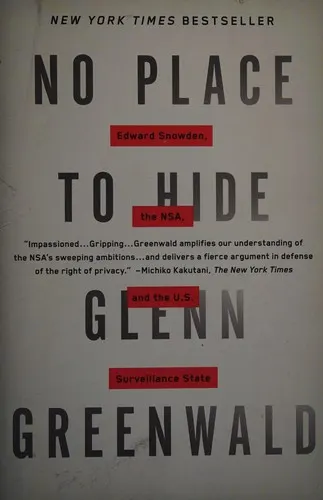
No Place to Hide (opens Bookshop.org)
Glenn Greenwald · 2014
Journalist Glenn Greenwald, the first reporter Edward Snowden contacted, recounts the 2013 NSA leaks and argues that mass surveillance threatens privacy and press freedom.
-
Background
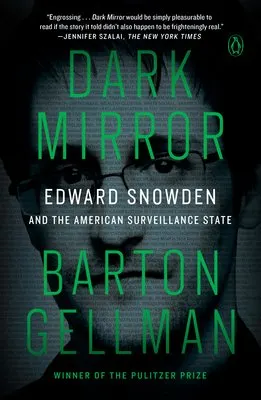
Dark Mirror (opens Bookshop.org)
Barton Gellman · 2020
Washington Post reporter Barton Gellman, one of the first journalists to receive the Snowden documents, reports on how the NSA programs worked and how the leak unfolded.
-
Background
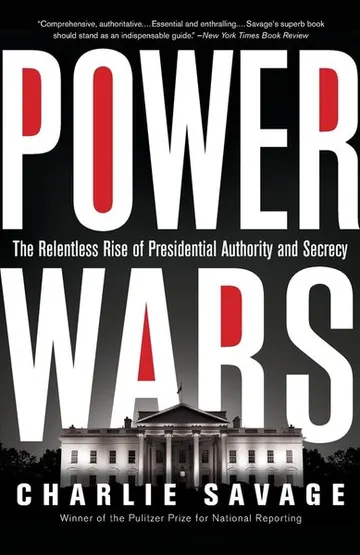
Power Wars (opens Bookshop.org)
Charlie Savage · 2015
New York Times reporter Charlie Savage documents how the Obama administration kept and reshaped Bush-era policies on surveillance, detention and drone strikes, drawing on internal legal memos.
-
Argues from the right
Playing to the Edge (opens Bookshop.org)
Michael V. Hayden · 2016
Former NSA and CIA director Michael Hayden defends post-9/11 collection programs, drone strikes and interrogation choices, arguing intelligence work must operate at the edge of what is lawful.

About this file
Everything here was shipped by the daily brief and verified before it appeared: each quote was checked character for character against the source it is linked to. This file separates two things a reader should never have to untangle: how each camp framed the issue, taken from that camp's own outlets, and who is on the record, grouped by the person who spoke. An outlet can quote anyone, so a quote it printed is the speaker's, not the camp's. Checkable claims are tracked to resolution on the claim ledger, and the day-by-day story files live in the story tracker.
One issue, on the record
See who actually took a position.
The daily brief records the arguments around an issue in each actor’s own verified words. Free.
Free to start. No spin. No yelling.
$5/month, cancel anytime. Secure on Stripe, and nothing is ever paywalled.
One-time, secure on Stripe. No account.